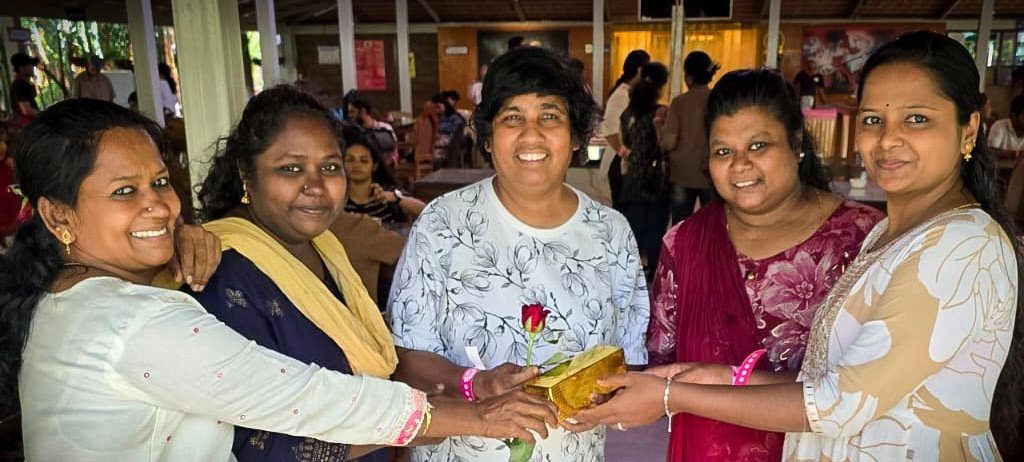
Sometimes God changes generations through something as quiet as a nudge—and someone willing to obey it. This story comes from our partners in India, David and Taru Kumar.
There is a little girl named Naziya whose story I want to tell you. But before I tell you about Naziya, I need to tell you about ITMI’s Taru Raj Kumar (middle in pic), because I believe the two stories are connected in a way that only God could have arranged.
Long before Taru became a wife, mother, teacher and trusted friend to families in Bangalore’s Modi Road community, she was a little girl who knew what it felt like to be unwanted. That painful part of her story helps explain why Taru seems especially able to notice the frightened child in the corner, the difficult child others might avoid, or the little one whose hurt is coming out in ways adults do not always understand.
The Other Unwanted Little Girl
Taru was still quite young when her family placed her in an all-girls Christian orphanage in India. As Taru came to understand it, the reason was painfully simple: they did not want her. Even today, she knows who members of her family are and where some of them live, but the relationship a child naturally longs for was never restored.
Taru understood that rejection even while she was growing up, and it wounded her deeply. She became angry and rebellious. She fought with other girls, sometimes bullied them and occasionally stole food. If someone had looked only at Taru’s behavior, they might simply have concluded that she was a troublesome child.
Thankfully, someone looked deeper.
An older Australian Christian, Margaret Williams, known as “Moushi,” left her own country and had given herself for 60+ years to care for the girls in that orphanage. To many of them, she became the closest thing they had to a mother, and with Taru she showed a remarkable patience. She saw the angry behavior, but she also saw the hurt little girl beneath it. She did not excuse Taru’s wrong choices, but neither did she give up on her. When Taru pushed people away, this woman kept caring. When Taru was difficult, she kept loving her. In many ways, she modeled for Taru something she desperately needed to see: love that stayed.
I cannot help but think about that when I watch Taru today. Years later, when a frightened child comes into Deepam crying and does not want to leave his or her mother, Taru does not become impatient. She draws close. She understands something about frightened children.
The Night Everything Changed
After much spiritual training and care, Taru remembers a night from her youth when something happened that became a turning point in her life. She recalls being awake—or awakening—and experiencing her room filled with brilliant light. Taru understood that Jesus was revealing Himself to her, assuring her that she was loved and calling her to trust Him and give her life to Him.
The little girl who had felt unwanted by her earthly family began to understand that she was deeply loved by God. The child who had known rejection began to discover that she had a Heavenly Father. Her childhood wounds did not suddenly disappear, and life did not immediately become easy. But something at the center of Taru’s life had changed: she belonged to Christ. Over time, God began redeeming even some of the painful things she had experienced.
I do not believe God wastes the surrendered parts of our lives. Allow me to say that again, I do not believe God wastes the surrendered parts of our lives. He certainly has not wasted Taru’s.
Years later, He would use that same woman—who remembered what it felt like to be rejected—to love children whose lives were telling them many of the same painful things.
Another Quiet Nudge
Last month I shared the story of my father, Bob Evers, and a seemingly small decision that eventually changed the direction of my own life. Dad simply felt prompted to invite me to accompany him on a ministry trip to Poland and Romania.
There was nothing outwardly dramatic about it. Dad simply thought, Steve should come along, and he invited me.
Neither of us could have known at the time what God would do with that simple invitation. That trip exposed me to missionaries and national Christian leaders in ways that became part of God’s direction for the next decades of my life and ministry with ITMI.
As I have been thinking about David and Taru, I keep coming back to that idea of a quiet nudge from the Lord. They experienced something similar, although the cost of following that leading was much greater.
“Stay Here”
David and Taru had served for many years with Operation Mobilization throughout India. They had meaningful ministry, established relationships, organizational support, income and a measure of security for themselves and their two sons.
Yet their hearts were increasingly drawn toward a very different place: Modi Road in Bangalore.
Sometimes called “Little Pakistan,” Modi Road is an intensely crowded, predominantly Muslim community. I have walked those narrow pathways myself, and it is difficult to adequately describe the closeness of everything. In places, the walkways are so narrow that you can reach out and touch the structures on both sides. Open drainage runs nearby, motorcycles work their way through tight passages, the Muslim call to prayer sounds through the neighborhood, and during the hotter parts of the year the heat inside Deepam can be stifling.
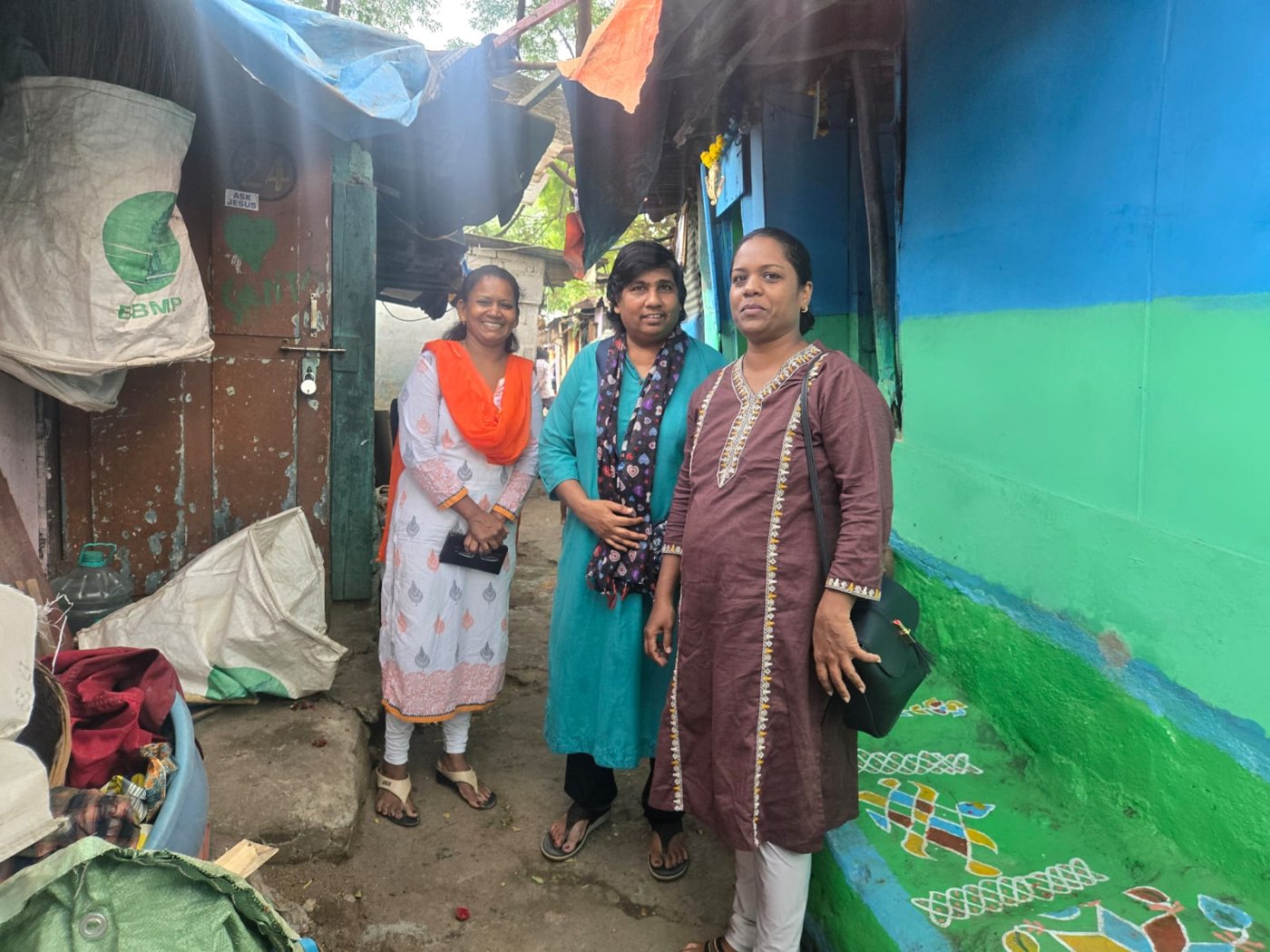
This was not the obvious place to go if you were trying to build a more secure future for your family. Yet David and Taru became increasingly convinced that God was telling them to stay and serve these families.
Following that conviction eventually meant walking away from the security of David’s long career with Operation Mobilization. For an Indian family without wealthy supporters waiting behind them, that was not a small decision. They were giving up salary, organizational security and ministry infrastructure, while also carrying the responsibility of raising two sons.
They knew what they were leaving behind. They did not know exactly how God would provide for what lay ahead.
But they believed He had led them there, so they stayed.
Deepam — The Lamp
Out of that obedience grew Deepam, a name meaning “lamp” or “light.” I have always thought that was a beautifully appropriate name.
Today, somewhere around 40 to 50 preschool-age children come through Deepam’s small rooms. Many arrive without the basic skills most of us assume children have before they begin school. Some do not know their letters or numbers. Some have never learned how to properly hold a pencil or crayon, sit through a lesson, answer a question in front of a group or work through a simple craft.
But some of their greatest needs have little to do with academics.
A new child may arrive crying and desperately clinging to his or her mother. For a little one whose world has often felt unstable, leaving the person who represents the greatest source of security can be terrifying. Taru and the other women understand that sometimes the first lesson a child needs is not ABCs.
It is simply, You are safe here.
Taru will often sit a frightened child in her lap, hold them and speak gently until they begin to settle. Sometimes this process takes several days or longer, but slowly the child learns that these women are not going to hurt them and that Deepam is a place where they are welcomed.
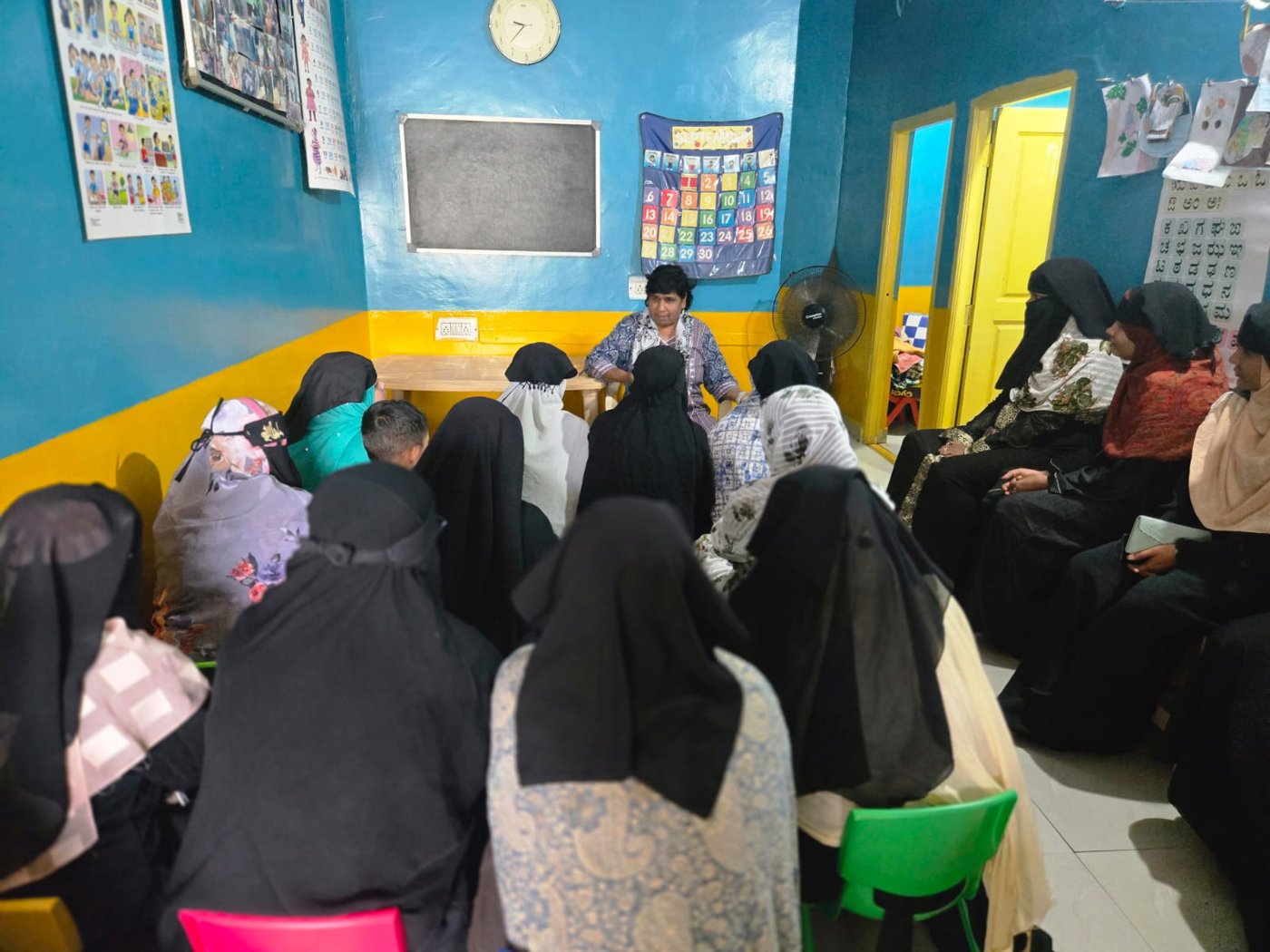
The children receive a warm, nourishing porridge or similar meal in the morning, and later lunch is prepared in Deepam’s small kitchen. They learn letters and numbers, draw, make crafts, answer questions and begin developing the skills they will need when they enter regular school.
And they pray.
They thank God for their food. They hear Bible stories and learn that God is Someone they can speak to, Someone who knows them and cares about what happens in their lives.
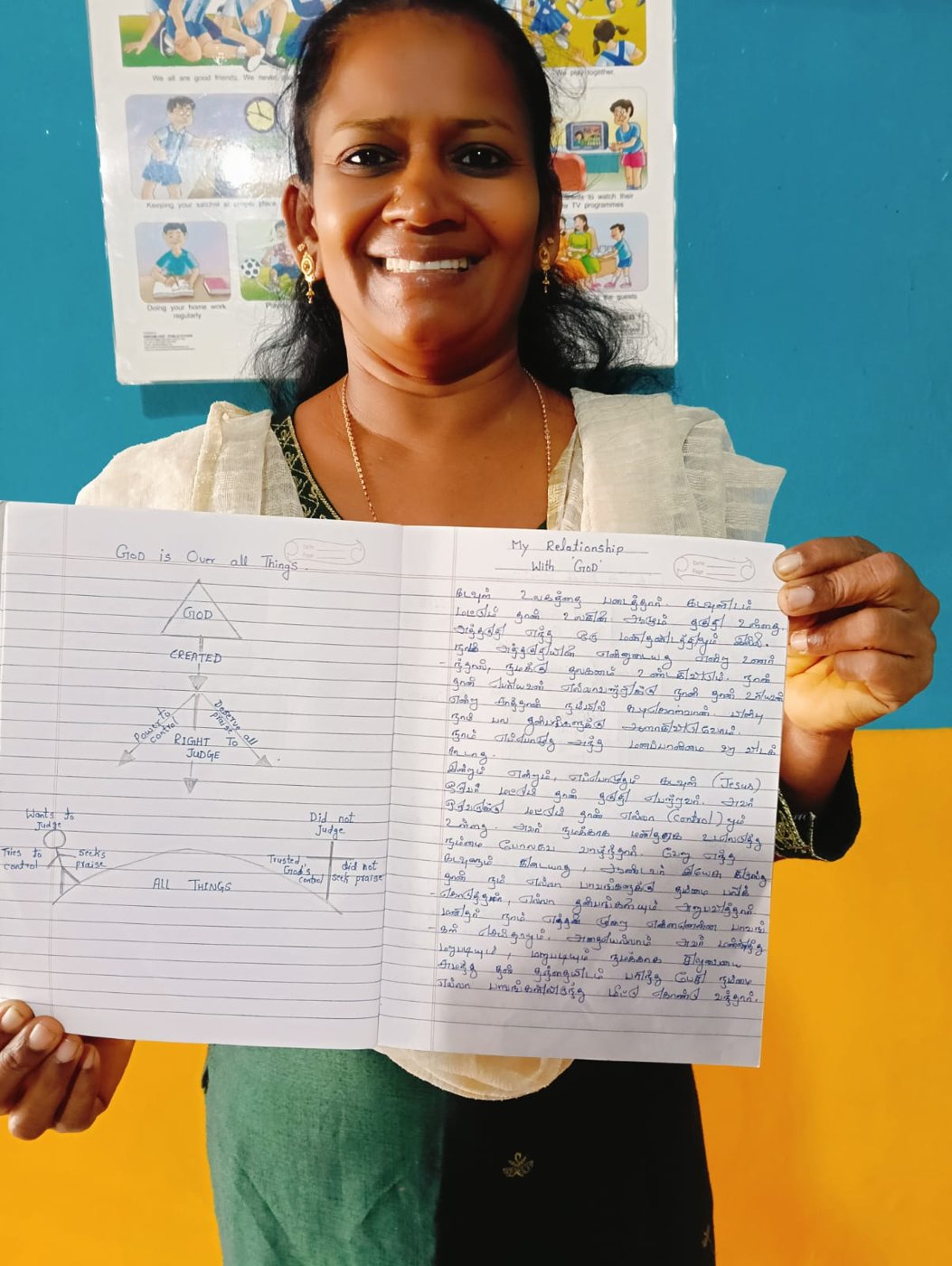
What touches me is that many of these children continue coming back to Deepam long after they have moved into regular school. Some need tutoring. Others need encouragement. Some simply seem to need the comfort of returning to a place where people know their name and are genuinely glad to see them.
When she is able, Taru also helps some of the poorest families with school expenses so a child who has successfully graduated from Deepam does not lose the opportunity for an education simply because the family cannot afford the next step.
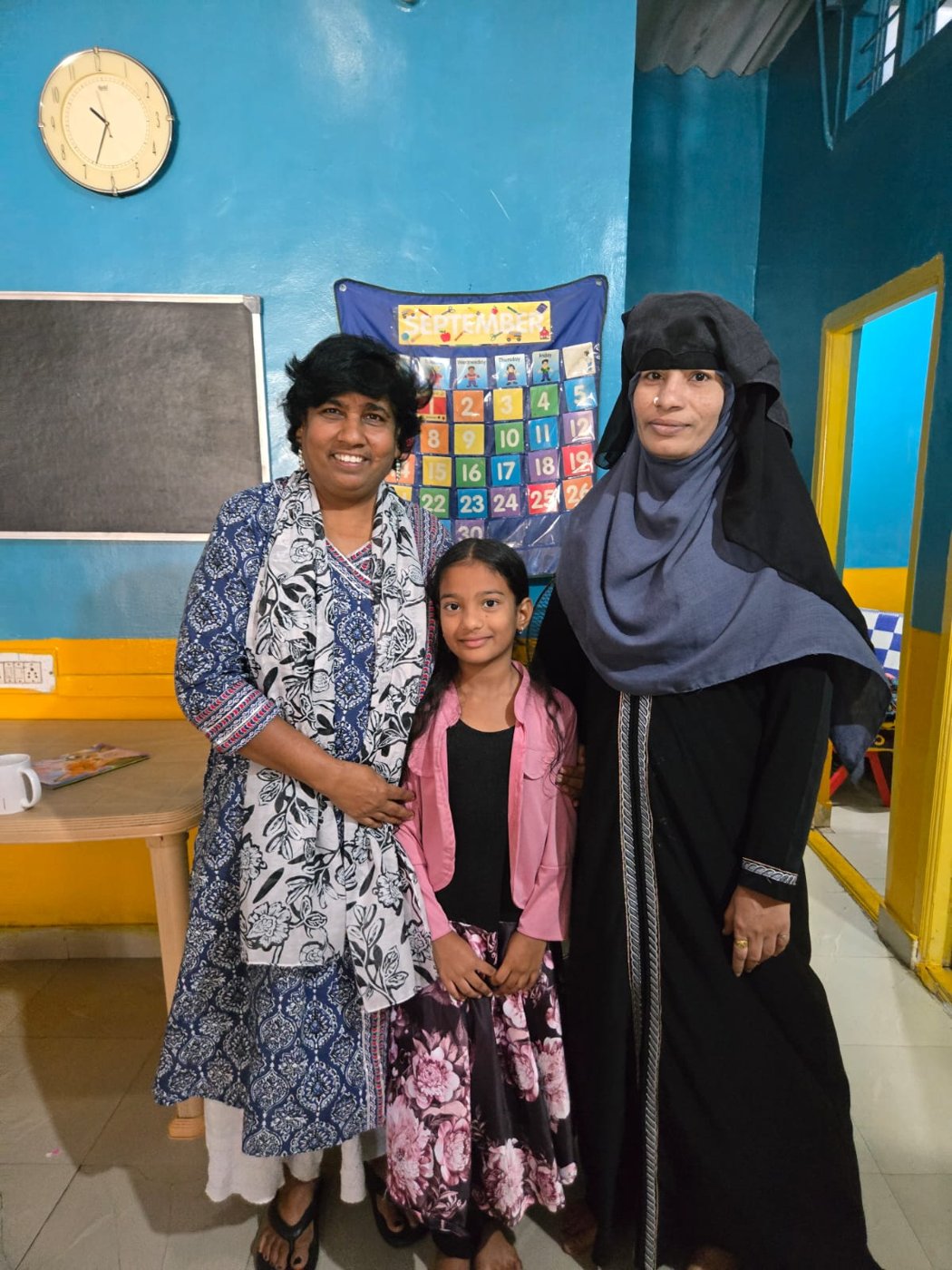
Over the years, hundreds of children have felt the influence of this little lamp.
Then one day another little girl came through the door.
Her Name Was Naziya
Naziya was five years old and extraordinarily small—only a little more than two-and-a-half feet tall when Taru first described her to me. She had only a few teeth, suffered seizures, had difficulties with her eyes and development, and could barely speak.
Her parents had already abandoned her at the hospital.
According to what Naziya’s grandmother later told Taru, when Naziya was about two years old her mother left her at a hospital, took the other three children and moved with her husband to Mumbai. Her grandmother stepped in and took responsibility for the little girl.
By then around 65 years old and poor herself, the grandmother survived by cleaning as many as five homes each day. While she worked, Deepam gave Naziya somewhere safe to be for several hours.
It did not take long for Taru to take a special interest in her, and perhaps that should not surprise us. Here was another little girl whose own family had decided that life would be easier without her. Taru knew something about that kind of hurt.
She and the Deepam ladies began helping with Naziya’s medical appointments and nutritional needs. Tests revealed serious vitamin deficiencies and neurological concerns, but with better food, vitamins, stimulation and steady affection, Taru began seeing encouraging changes.
Naziya began speaking a few words.
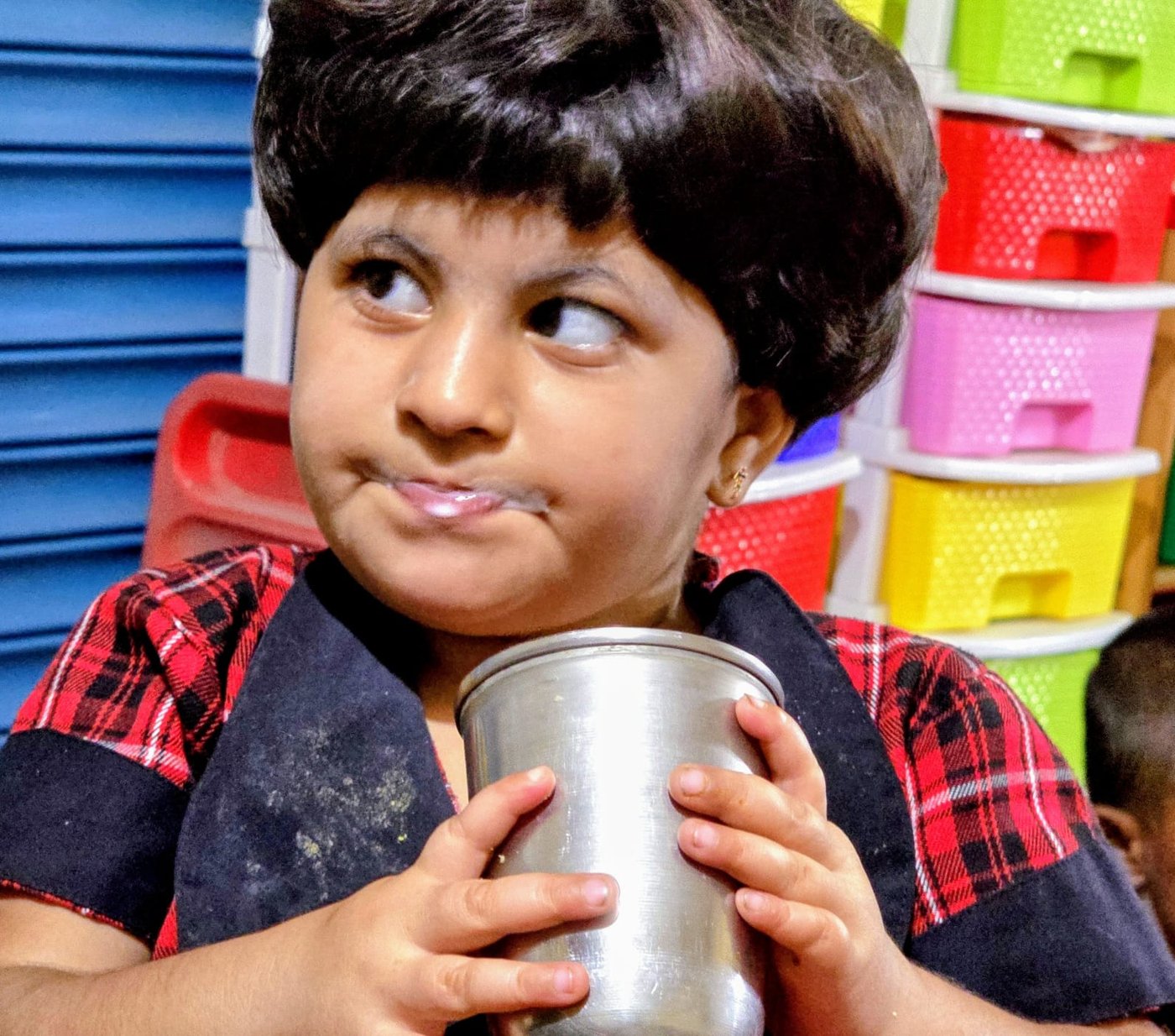
For most children that might seem like a small milestone, but for Naziya it was something to celebrate. Then came another moment that delighted everyone: someone asked her if she wanted to dance.
She did—and she danced well.
Her grandmother was so excited that she asked Taru to record it so she could send the video to Naziya’s parents in Mumbai. There is something about that request that stays with me. It was almost as though this grandmother wanted to hold up the phone and say, Look at her. Look at the child you left behind. Look what she can do. Look who she is becoming.
For months, this tiny girl who had arrived barely able to communicate seemed to be coming alive. She was eating better, speaking a little, responding to the people around her and learning what it felt like to be somewhere people noticed whether she showed up.
There was reason to hope.
Then, during the summer of 2026, Naziya stopped coming to Deepam.
At first Taru assumed she was sick or that something temporary had happened at home. But the days passed, and then more days passed. Taru began asking where Naziya was and why her grandmother had also become difficult to find.
That was unusual. In a community where people live almost on top of one another, news normally travels quickly.
This time, however, the answers were strangely hard to find.
Taru and the Deepam ladies kept asking and kept looking. What they eventually learned left them heartbroken—and with questions that even today have never been fully answered.
— Taru Raj Kumar, Steve Evers
Coming Next Month
What happened to Naziya, why Taru wished so desperately that someone had simply called her, and why this little girl’s story shows just how important it is for someone to be present when a vulnerable child has nowhere else to turn.
As supporters of ITMI and the Kumars, we ask that you continue to cover Taru, the Deepam team and Naziya in prayer, and partner with them as the Lord leads.